
Breaking Baking — Batch 03: No Brown Butter? Try Toasting Your Flour
Testing whether toasted flour can mimic brown butter and uncovering an unexpected twist along the way.

Some people traverse entire cities in search of the “runner’s high.”
Others cave dive in water-filled caves in total darkness for a 15 minute adrenaline rush.
And me?
I stand anxiously over a pan with the existential dread of burning butter, chasing that instantaneous transformation into something nutty, toasty, and caramel-like.
Yes, yes, I know. I’m a wild one.
But I’m sure you can relate to the mystique of baking with brown butter.
Because brown butter almost feels magical the first time you experience it. One moment it’s just butter. Then suddenly, it smells like toasted hazelnuts, caramel, and pastry shops.
But brown butter isn’t magic or voodoo.
It’s chemistry.
More specifically, it’s driven by the Maillard reaction: heat transforming proteins and sugars into lots of new flavor compounds.
Which got me thinking:
What if you don’t have butter?
What if you can’t consume dairy?
Can you still experience something similar to that brown butter flavor?
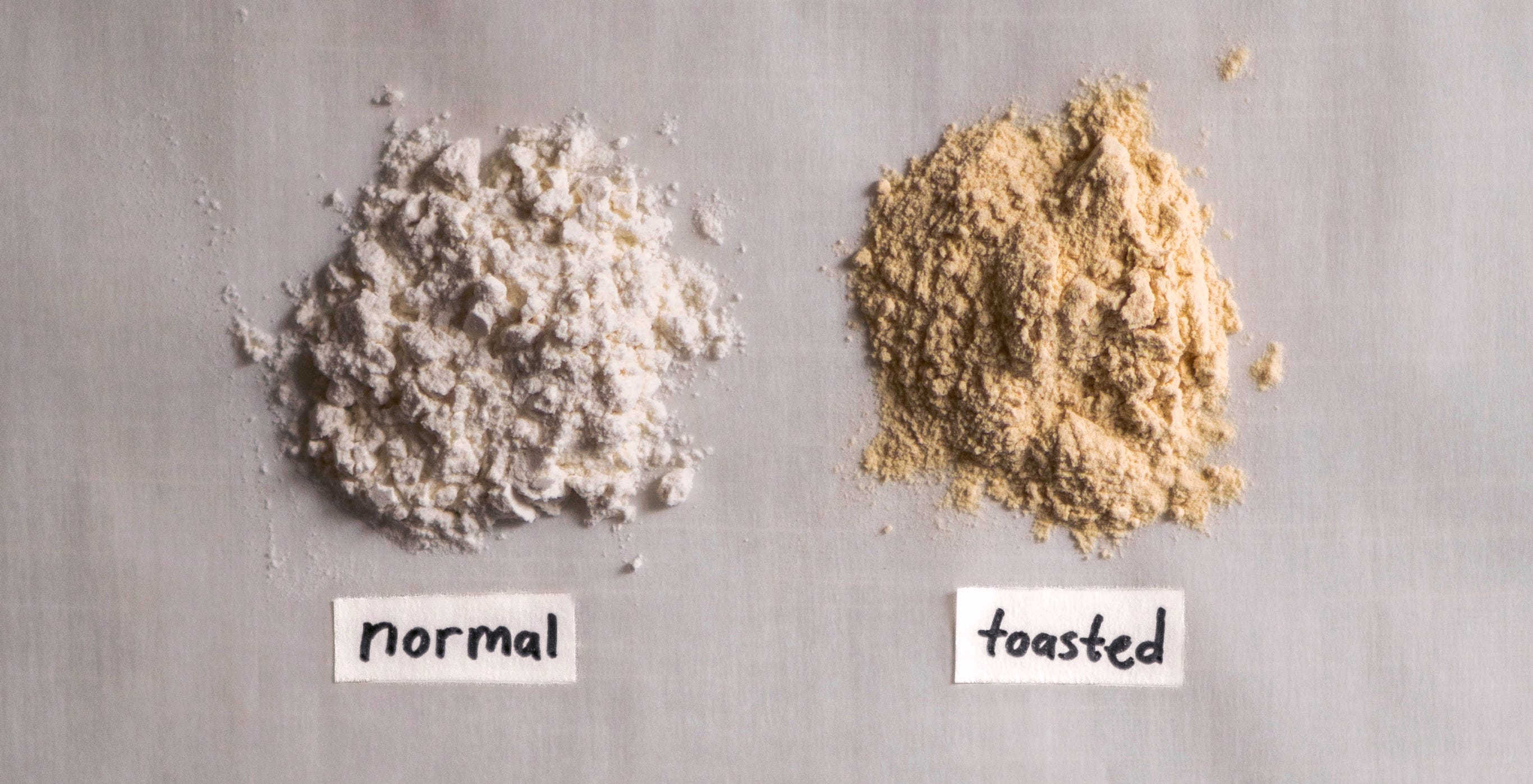
I present: toasted flour.
In today’s lab session, we’ll answer some key questions:
Does toasted flour taste similar to brown butter?
Are there any significant trade-offs?
How should we use it in our bakes for the best outcome?
But first, let’s get to the experiment.
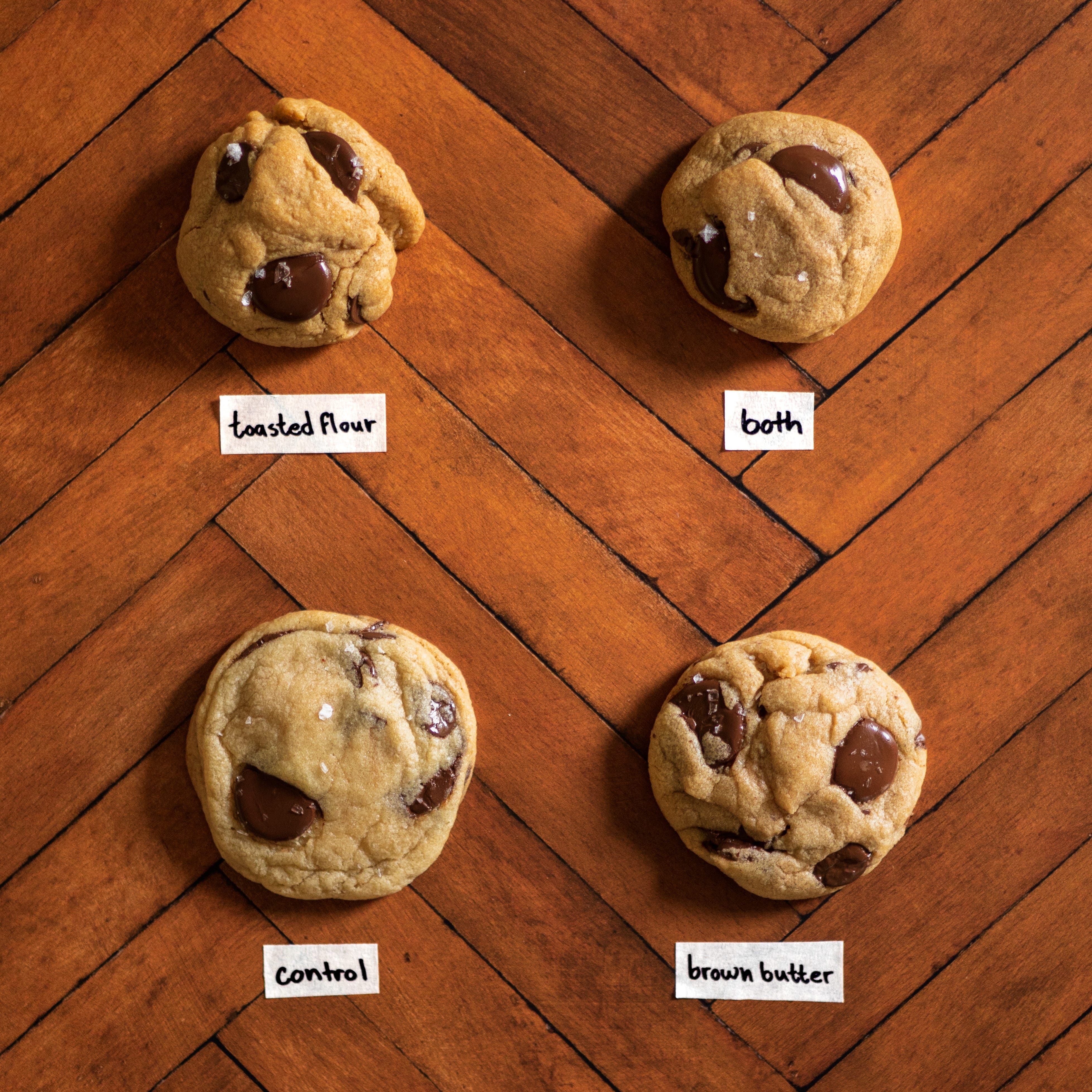
To test the idea, I made four batches of chocolate chip cookies:
a control
a brown butter version
a toasted flour version
and one with both 🤯
The recipe for each batch was the same. However, the flavor development strategies are totally different. Namely, toasting the flour or browning the butter.
The Experiment
The flour was toasted in an oven until it reached a warm tan color and smelled almost like graham crackers.
I made sure it wasn’t burnt, just deeply nutty.
For the brown butter batches, I cooked the butter until the milk solids turned amber and smelled toffee-like.
Then I baked all four cookies together at the same time.
The Unexpected Part
I won’t lie. Before I baked the cookies, I thought this experiment was mostly going to be about flavor.
But while the toasted flour absolutely changed the flavor, it also changed something I completely overlooked:
The structure of the cookie itself.
The toasted flour cookies actually spread less than the control.
At first glance, that felt backwards. But after thinking about it more, it makes sense.
Toasting flour doesn’t just change flavor. It changes the flour itself.
The heat dries the flour out and alters its starches before the cookies even enter the oven. The dough felt noticeably different, almost slightly dehydrated, and the cookies held their shape more aggressively while baking.
None of these are bad things, but they are important to keep in mind before you start swapping toasted flour into recipes expecting identical results.
Flavor Notes
Control
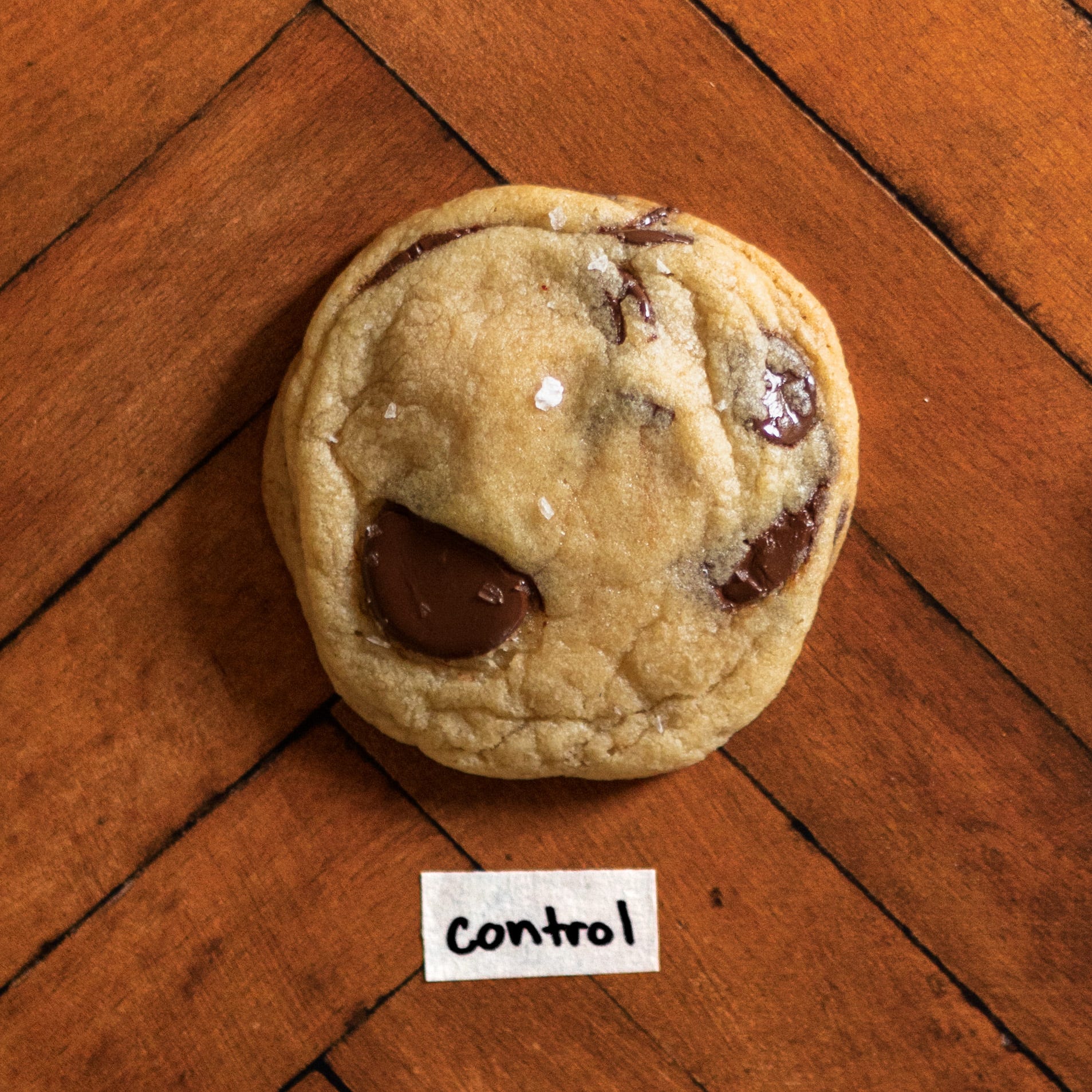
The control was a classic chocolate chip cookie. Sweet, buttery, familiar.
Not to much to say here, but it set the tone for what a typical cookie tastes like.
Brown Butter
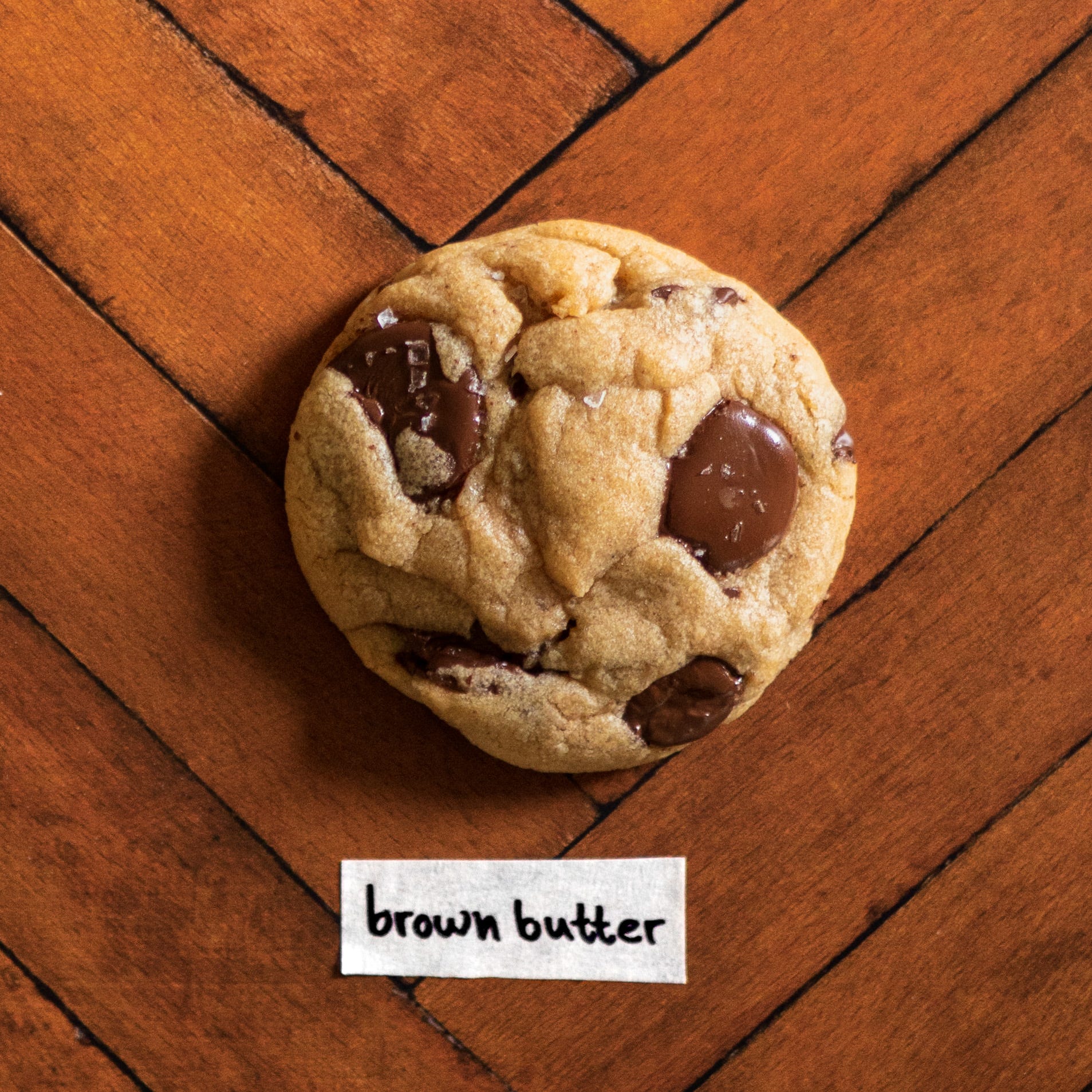
The brown butter cookie was deeper in flavor and richer. There was more caramelization (seen in the browner color) and the flavor lingered longer.
To be specific, it was warm and nutty, with caramel notes. Exactly what a simple brown butter cookie should be.
Toasted Flour
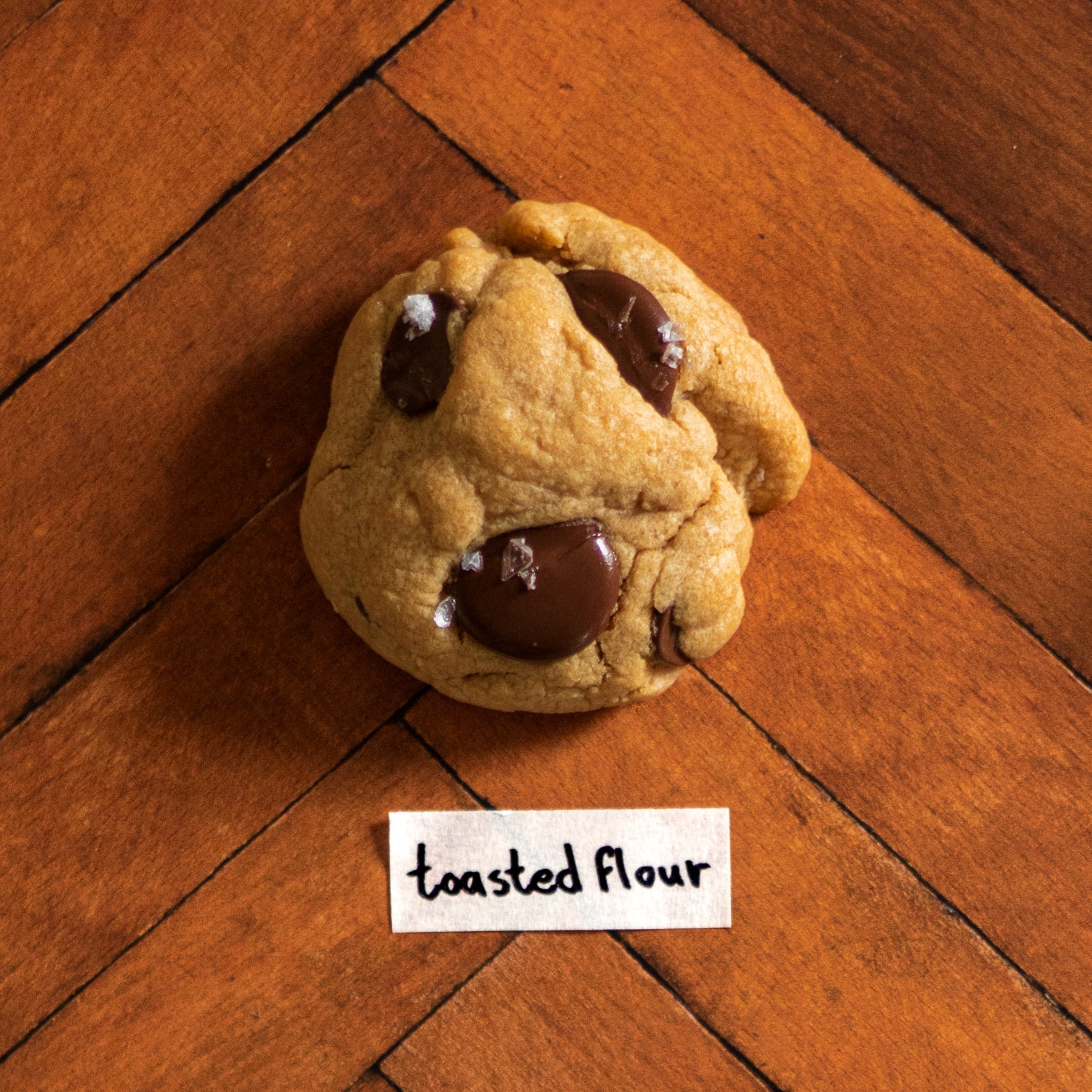
This is where it gets spicy… or should I say toasty.
This cookie wasn’t buttery in the same way as brown butter, but it was definitely nutty.
The overall flavor felt warm and deeply baked. Slightly graham cracker-like. Almost like the “baked” flavor of a cookie had been turned up.
There was also this comforting toasted quality that made it almost nostalgic to eat. This is the ultimate wintertime cookie if you know what I mean.
Lastly, let me address the structure.
When I first saw this cookie, I was worried the interior was going to resemble a piece of biscotti that had been left out in open air for three days.
But what awaited me was a soft, tender crumb with a respectable amount of moisture!
Both Combined
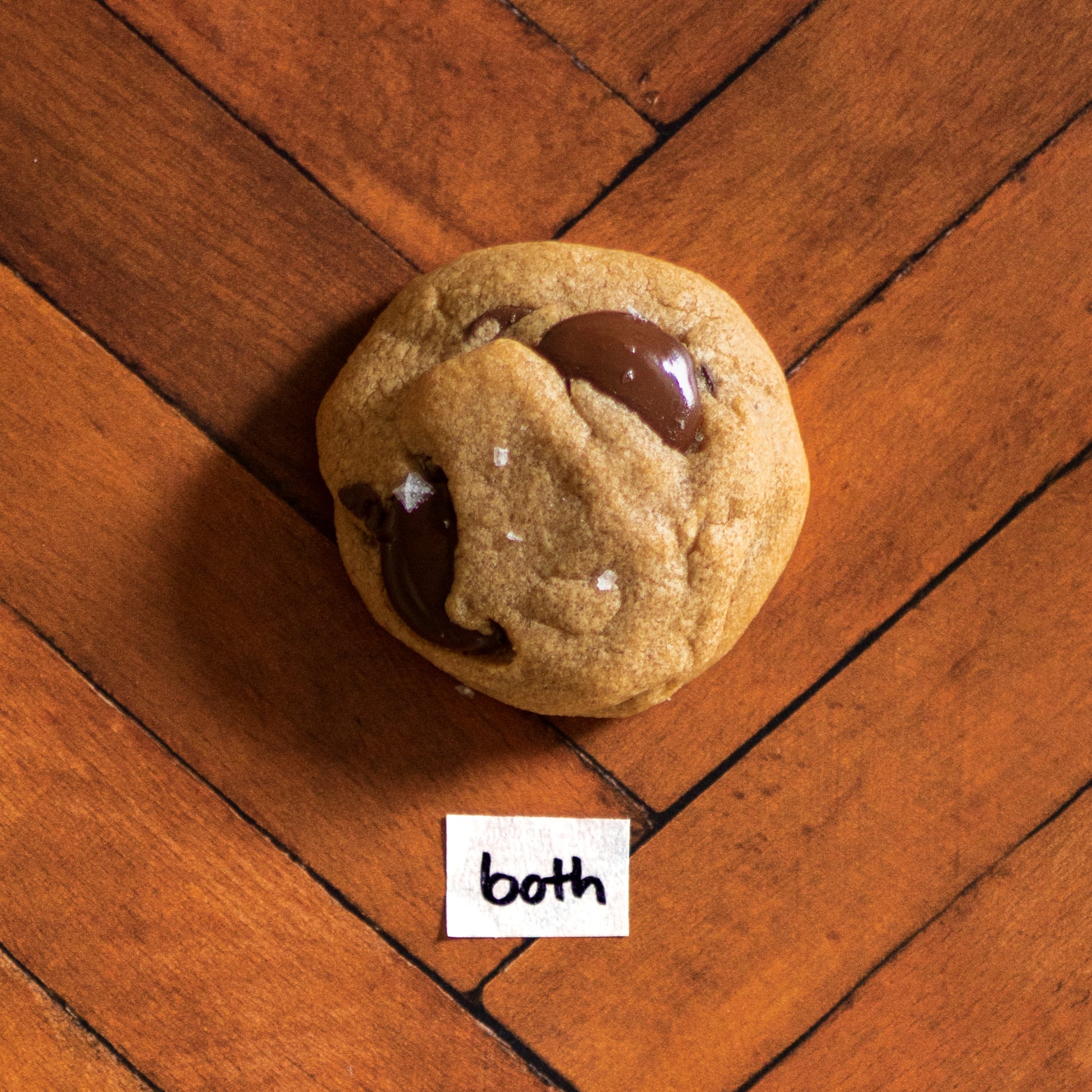
The strongest overall flavor by far.
Deeply toasted, almost butterscotch-like, with a much heavier roasted note than the other cookies.
Having toasted flour and brown butter in the same cookie created a depth of flavor that genuinely challenged what I thought a cookie could taste like.
The interior was also like the toasted cookie I just described. This was probably my favorite batch.
How to Use Toasted Flour
If you’ve read this far, you can probably tell I like the idea of toasting flour.
It’s relatively easy to do and introduces a warm, nutty, toasted flavor to baked goods, which is honestly not the easiest flavor profile to create in baking.
But I would be remiss if I didn’t explain how to actually use this method effectively.
Earlier, I mentioned that the toasted flour cookies spread less and had more structure than the control batch. And if you’re anything like me, you probably enjoy cookies that spread a bit and have some chew to them.
So the elephant in the room is…
How do you enjoy the flavor benefits of toasted flour without accidentally engineering a hockey puck?
Do we truly live in a world this cruel?
Thankfully, no.
The easiest solution is to simply add back a little more moisture or encourage spread elsewhere in the recipe.
That can look like:
using melted butter instead of softened butter
slightly increasing sugar
adding a touch more liquid
combining toasted flour with a higher-moisture dough overall
In other words, toasted flour is less of a “replacement ingredient” and more of a balancing ingredient.
You’re trading a bit of spread for deeper flavor, and once you understand that tradeoff, you can start designing around it.
Verdict: Can Toasted Flour Replace Brown Butter?
Brown butter and toasted flour are not identical techniques. But they are related.
Both use heat to push ingredients into that deeper flavor territory through browning reactions.
They just start from different places: dairy vs grain.
And weirdly enough, the toasted flour changed more than just the taste. It changed the behavior of the cookie too.
So if you want an honest opinion, I would say toasted flour is not an exact 1:1 replacement for brown butter.
When it comes to flavor, toasted flour gets surprisingly close to that warm, nutty, deeply baked quality that makes brown butter so appealing in the first place. Not buttery, necessarily, but comfortably in the same family.
When it comes to structure, it’s a different story.
The toasted flour cookies spread less, held themselves together more aggressively, and felt slightly more structured overall. This means toasted flour doesn’t just act like a flavor enhancer. It acts like a behavioral ingredient too.
To me, this isn’t a bad thing. It’s just something that you need to plan around.
If you use the tips I shared for baking with toasted flour, you’ll remove the one major difference between these two flavor development techniques.
And if you do that, we have a solid argument for toasted flour being a true replacement for brown butter.
I’ll probably keep experimenting with this idea because I think there’s something genuinely useful here, especially for recipes where you want deeper flavor without relying entirely on butter.
And if nothing else, I think toasted flour deserves way more attention in baking than it currently gets.
And considering this may be one of the cheapest ways to introduce a toasted, nutty flavor into baking, I’m pretty sold on the technique.
Let me know if toasting flour seems appealing to you or if you have any recipe ideas where you think it could shine. It would be really cool to develop a recipe based on suggestions from people in our community!
Until next time, wishing you good bakes and good health.
Do you have the brown butter cookie recipe you used here? 🥹 it looks like a dream! 🍪
I use toasted flour to make polvorones, which I think is pretty standard in Spain. To ensure a perfectly smooth, creamy texture, traditionally polvorones don’t contain any egg, the fat goes in in liquid form (either olive oil or melted lard; I use EVOO), and the sugar is icing sugar. Then if you want a little texture contrast you can include a small amount of nubbly ground almonds in the dough.